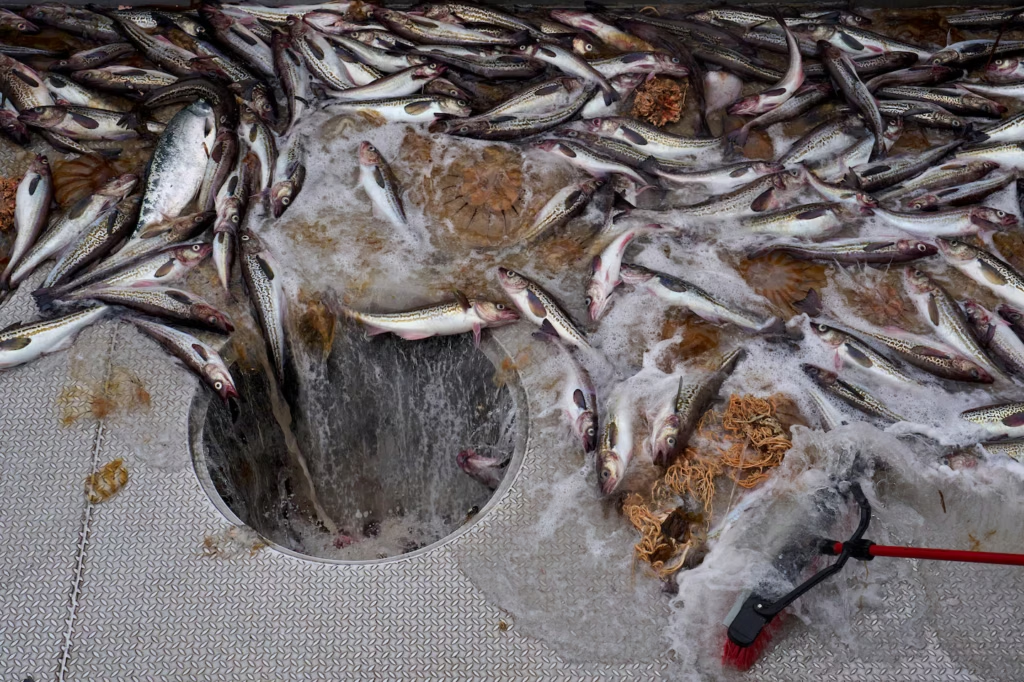
In recent months, a series of opinion pieces defending Alaska’s trawl fisheries as an essential part of our state’s economy have presented the salmon bycatch debate in increasingly binary terms: either you support the trawl industry, or you support salmon, and with salmon, the demise of Alaska’s fishing economy.
However, Alaska’s fisheries and fishery-based economy do not exist only because of pollock and its associated industries.
In an Aug. 15 opinion, Alaska Department of Commerce Commissioner Julie Sande wrote, “Before we reduce a fishery to a slogan, we should remember what an industry looks like from inside a community.”
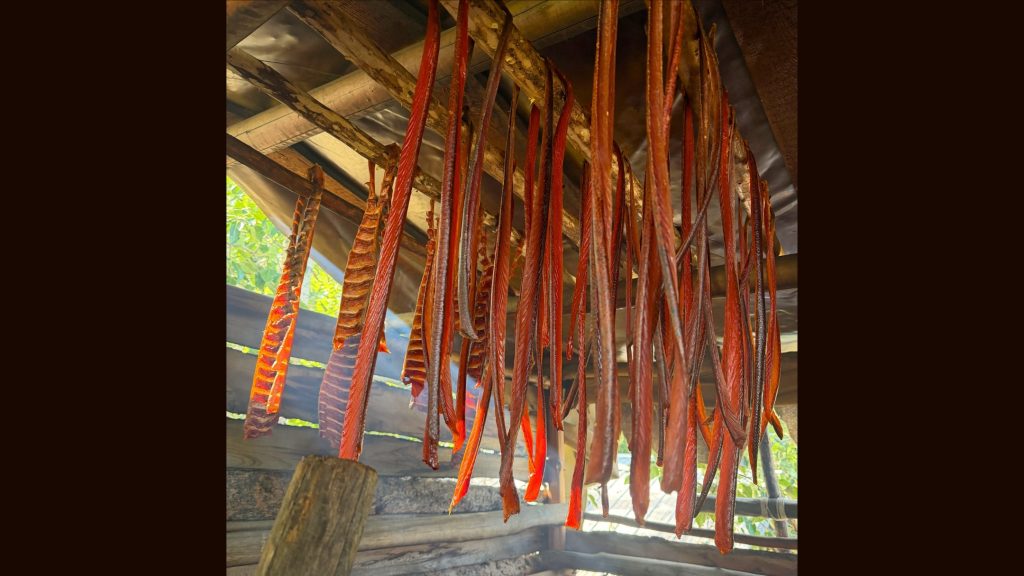
We know what a fishery looks like from inside an Alaska community. Unlike many working for the Outside trawling corporations, residents of communities along the Yukon and Kuskokwim rivers actually live here. Our communities look like bustling fish camps; they smell like operational smokehouses; and they sound like elders teaching our grandchildren how to put away fish for the winter.
Sadly, after thousands of years of this sociocultural salmon economy, our communities are deafeningly quiet and empty-netted as government agencies issue decrees to stop fishing because there are not enough salmon returning home. Meanwhile, boards and councils with lopsided representation maintain business as usual for marine commercial industries that bycatch these same salmon.
How will our communities look after years of gutting and starving them from the inside out?
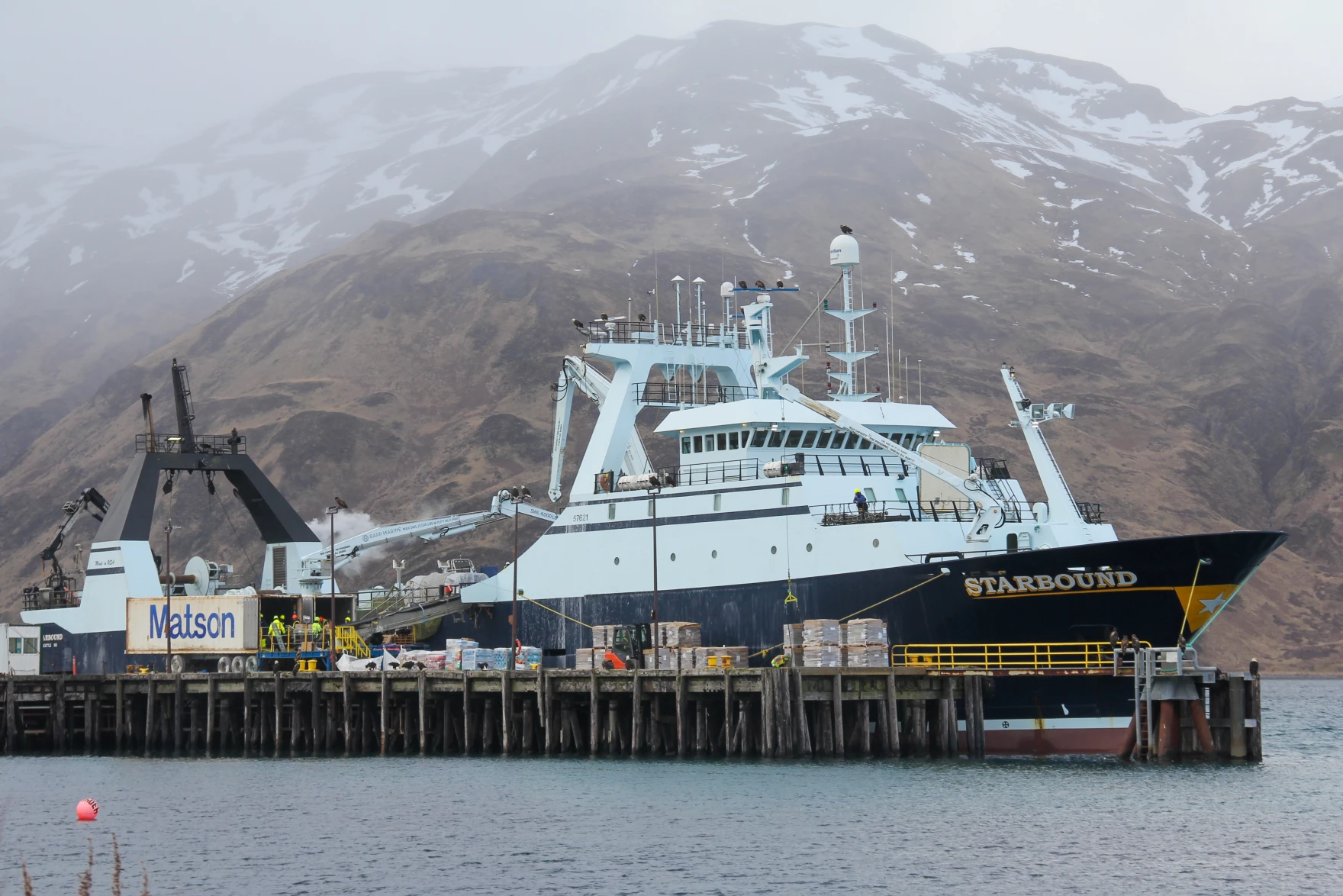
In a Sept. 6 opinion, Sam Murphy of the Alaska Pollock Fishery Alliance argues that the presence of pollock harvesting and processing activity in Alaska means it fuels Alaska’s economy. He wrote in July in National Fisherman that the investment in CDQ communities only “exists because the (pollock trawl) fishery exists.”
There may be economic benefits generated by pollock — but for whom? To the extent that the industry claims? And at what expense to the ecosystem, other Alaska communities and salmon?
Remember, salmon are an economic resource, too. They support our local, mixed subsistence-cash economies while feeding families and sustaining cultures that have depended on them for thousands of years. And yet the socioeconomic benefits of sustaining salmon to people and ecosystems are left out of the pollock industry’s economic calculus.
Following the scare tactics playbook we are all too familiar with from pro-trawl politicians, a pollock trawl trade organization recently declared in a social media message, “It’s time to stop the bycatch BS.”
There is nothing BS about bycatch for communities that have been asked to restrict their harvests, bear the burden of conservation, forgo passing on our own traditional ways of life and slash our local economies.
For communities on the Yukon and Kuskokwim facing subsistence and commercial fishery closures and empty smokehouses, opposing trawl bycatch is not an abstract political talking point aimed at “filleting Alaska’s economy.” It represents advocating for salmon that never got the chance to return home, and for a key part of our communities’ economic engines to continue.
It is time to move beyond the idea that supporting stronger marine protections for salmon entails the collapse of Alaska’s economy. Salmon are the core of our state’s economy and cultures and ways of life, and they have been so for thousands of years.
It is in the best interest of all fishermen that salmon return to our rivers to ensure this livelihood continues for 10,000 more years. It is in the best interest of Alaska to choose to protect salmon and subsistence ways of life — parts of our state’s economy and identity that are as essential as what any other fishery can offer.
Read the original Anchorage Daily News opinion piece here.