window.addEventListener("load", () => {

  window.setInterval(scaleSlides, 33);

  function scaleSlides() {
    var center = window.innerWidth*0.66;
    const slides = document.querySelectorAll('.splide__slide');
    slides.forEach((item) => {
      var slideCenter = item.getBoundingClientRect().left + item.getBoundingClientRect().width/2;
      var delta = center - slideCenter;
      var absdelta = Math.abs(delta);
      var blur = Math.max(0, (absdelta - center / 2) / 50);
      var fade = 10/(Math.max(0, (absdelta - center / 2)) + 1) + 0.25;
			//item.style.zIndex = Math.ceil(center/(absdelta+1));
      item.style.filter = `blur(${blur}px)`;
      item.style.opacity = `${fade}`;
    });
  }
});
Every Salmon Counts
Our future is fish.
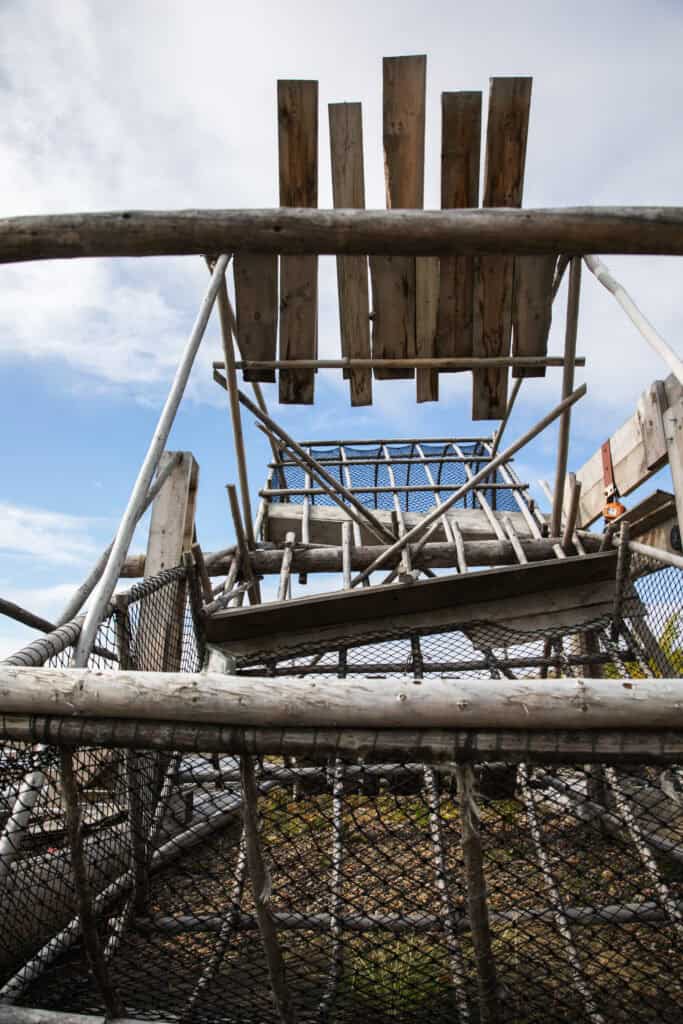
Order effective June 24, 2020 at 2:00 p.m. AKST. While fishing regulations vary by community, state policy still heavily restricts traditional salmon harvests to this day.
The Arctic-Yukon-Kuskokwim region (AYK) covers roughly 40% of the total land area of Alaska, and represents the largest fisheries management program in the state.
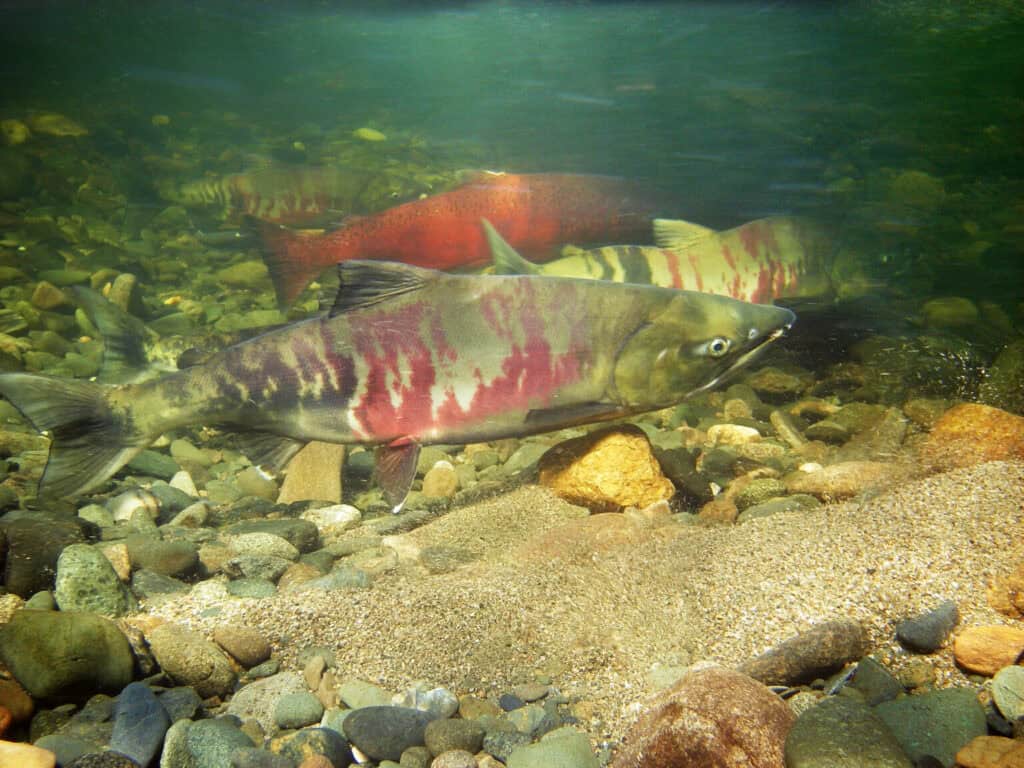
All five Alaska salmon species are found in the region, and all five have seen significant regional declines over the last half century.
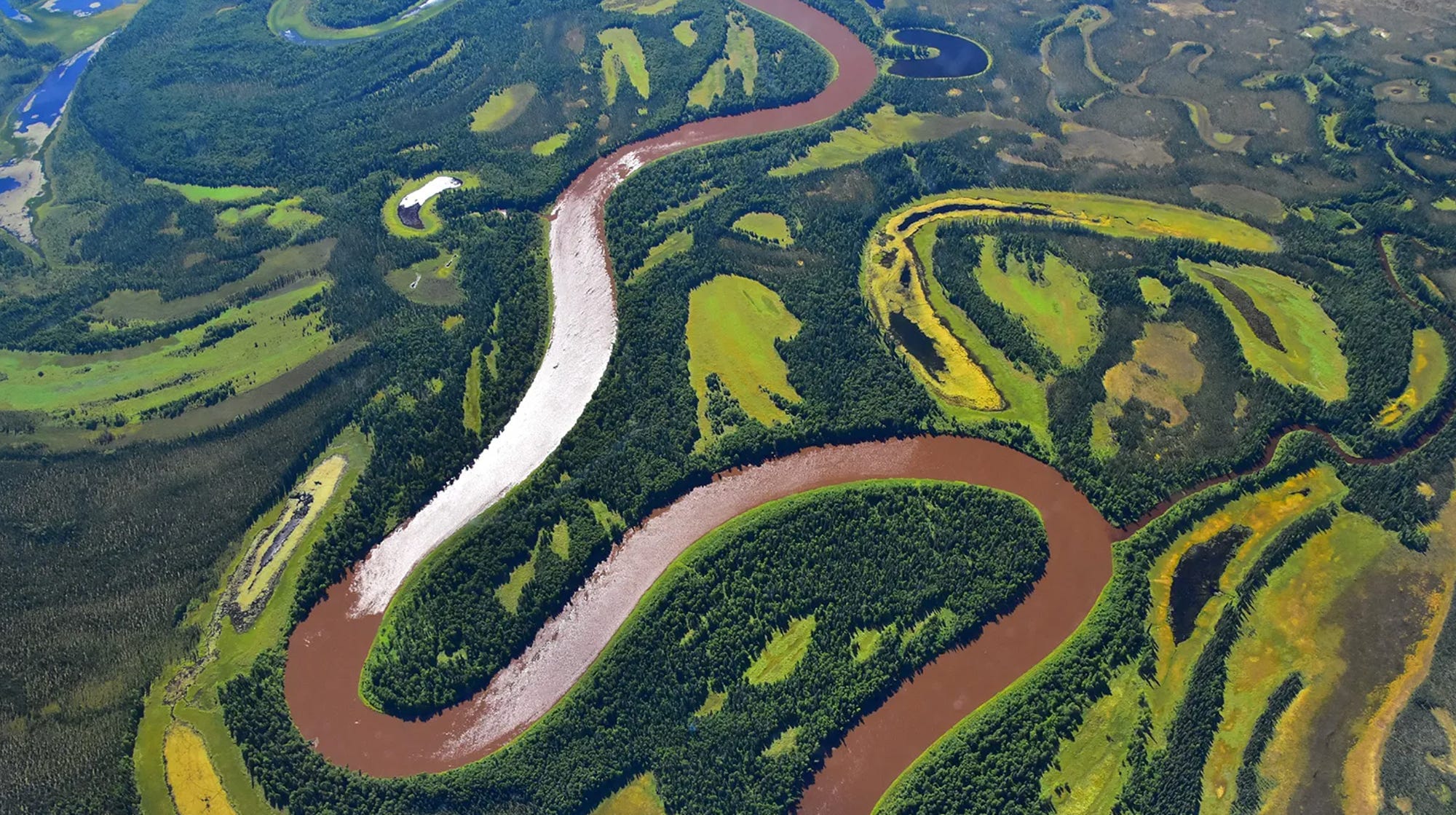
The critical watersheds of the Yukon and Kuskokwim rivers have historically brought salmon from the ocean to numerous Native peoples throughout the region. Select the areas on the map to learn more.
The Yukon watershed is approximately 330,000 square miles, making it the fourth-largest drainage basin in North America, larger than the state of Texas.
Over 126,000 people live in the Yukon watershed, representing the Athabaskan, Iñupiat and Gwich’in Native groups, and the Gwich’in, Han, Tanana, Upper Tanana, Northern Tutchone, Southern Tutchone, Deg Xinag, Koyukon, and Central Yup’ik languages.
Read more about the Yukon River Inter-Tribal Fish Commissions.
The Kuskokwim watershed is the second-largest river system in Alaska, covering approximately 50,000 square miles, making it larger than 20 states in the USA.
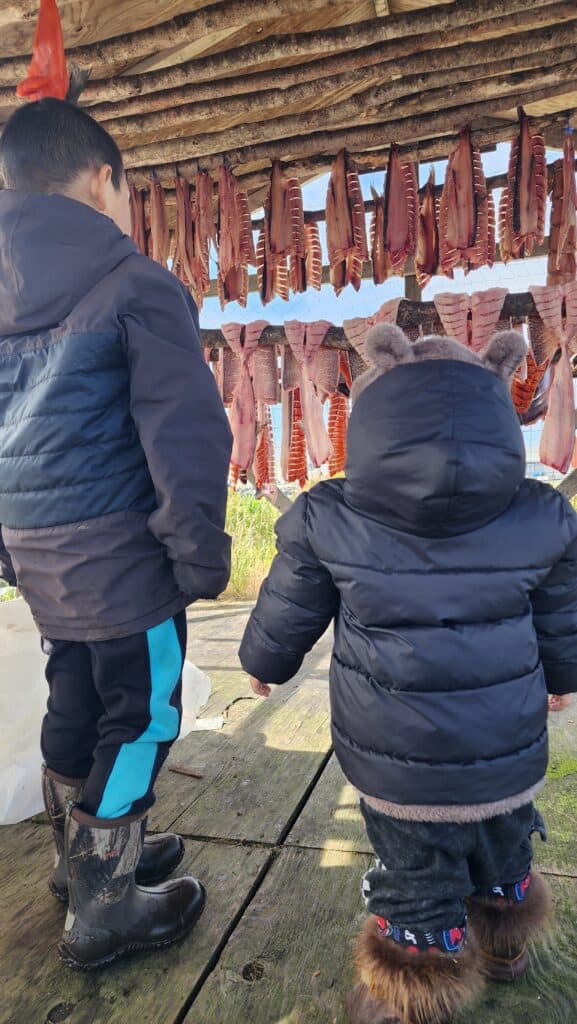
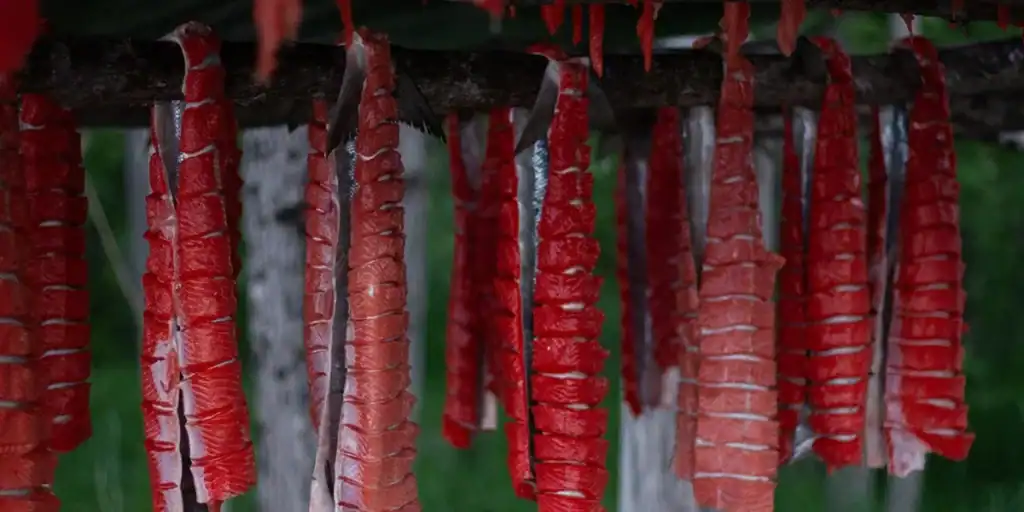
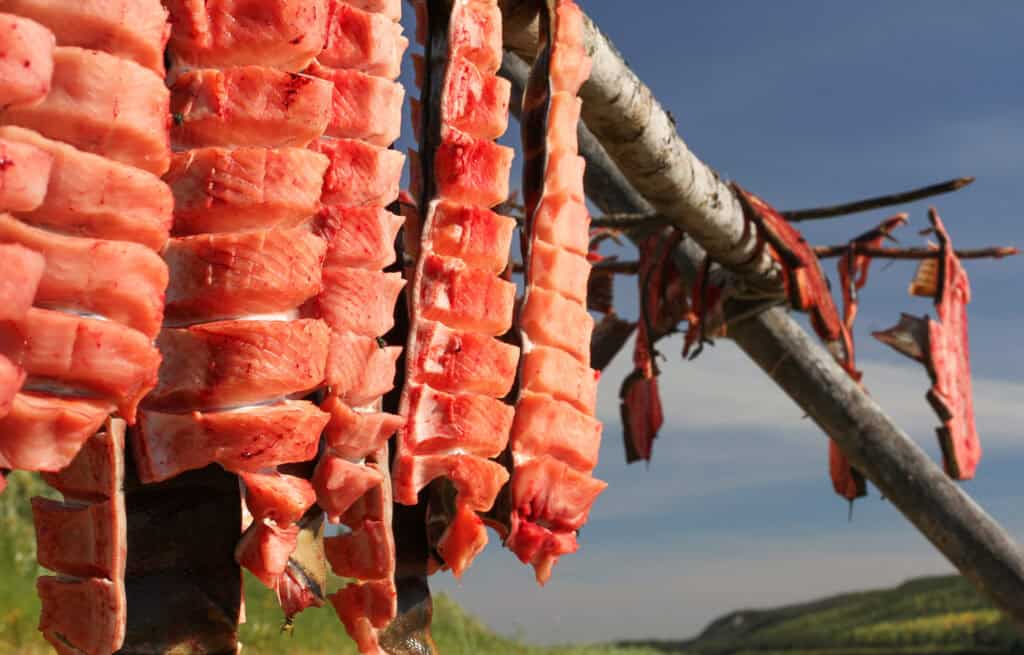
It is home to 40 Native villages who rely on the salmon migration for their traditional food gathering and as a vital part of their cultural heritage. These represent Yup’ik and Athabaskan peoples, speaking the Central Yup’ik and Upper Kuskokwim languages.
Read more about the Kuskokwim River Inter-Tribal Fish Commissions.
All Yukon and Kuskokwim salmon spend 90% of their lives within the 890,000 square mile expanse of the Bering Sea. Because of this, the fishing practices and environmental health of this ocean region have direct impacts on salmon populations.
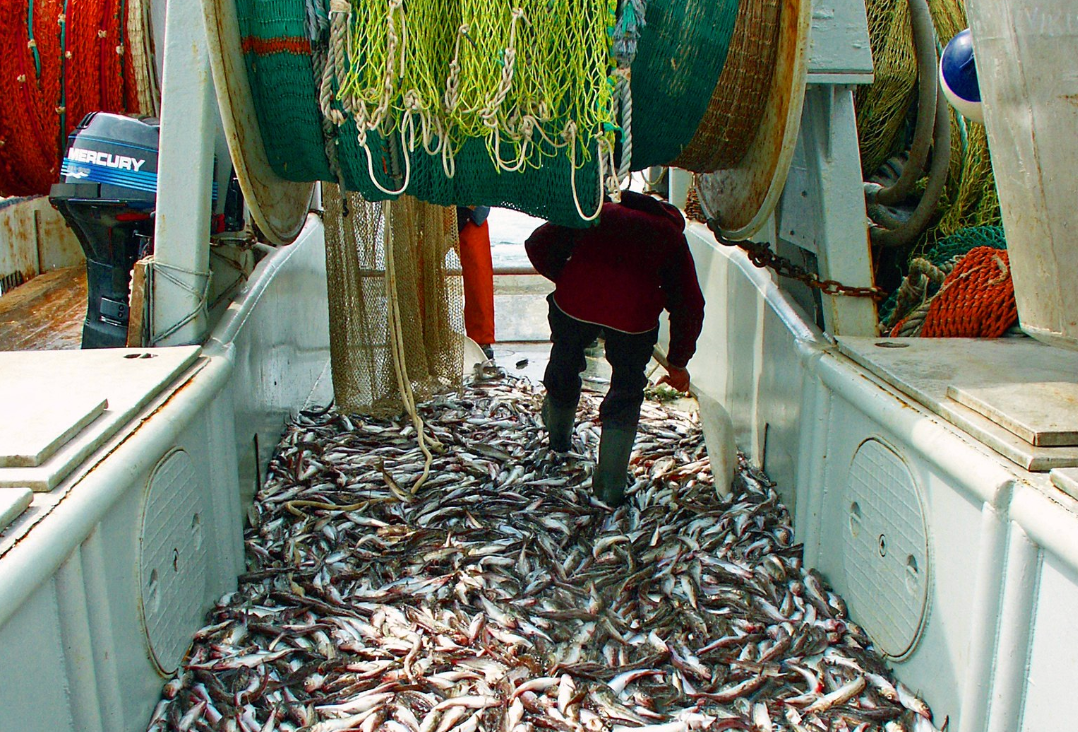
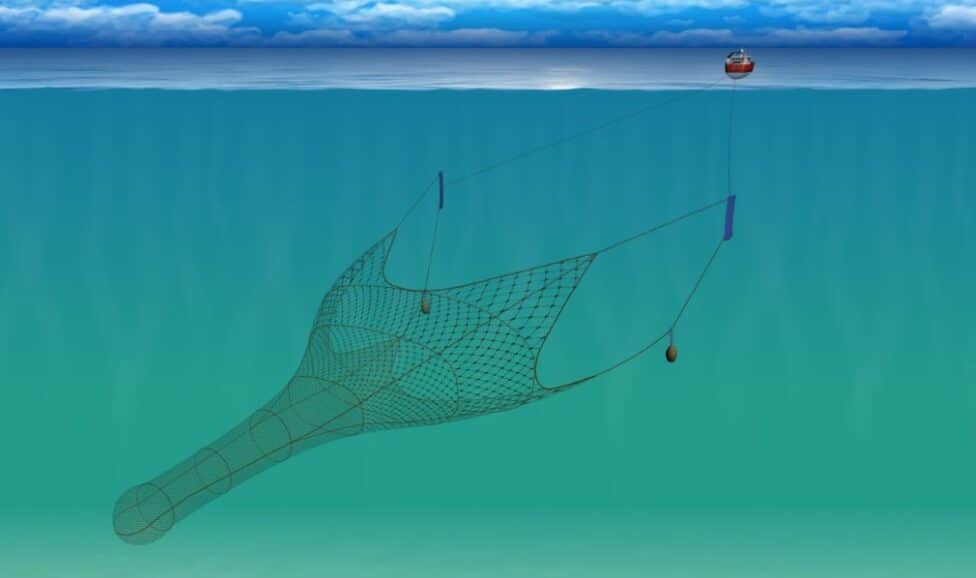
Trawling has had a devastating and long-lasting effect on the marine ecosystems of the Bering Sea. When targeting pollock, trawlers scrape the sea floor, uproot vegetation, and indiscriminately destroy coral and sea sponges that can take centuries to recover. Trawling in the Bering Sea comes at the expense of halibut, king crab, and salmon bycatch, resulting in the collapse of traditional fisheries for Alaska Native people thousands of miles inland.
Public Outreach
United voices of salmon defenders for the Arctic-Yukon-Kuskokwim region.





Policy Advocacy
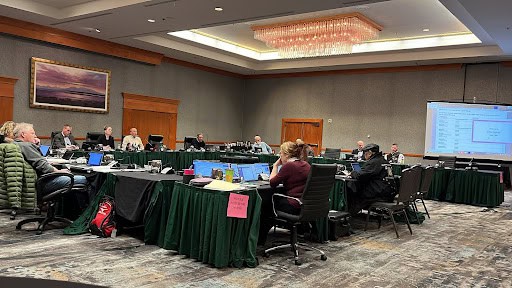
Current legislation and local regulations in the Arctic-Yukon-Kuskokwim region.



Every voice counts
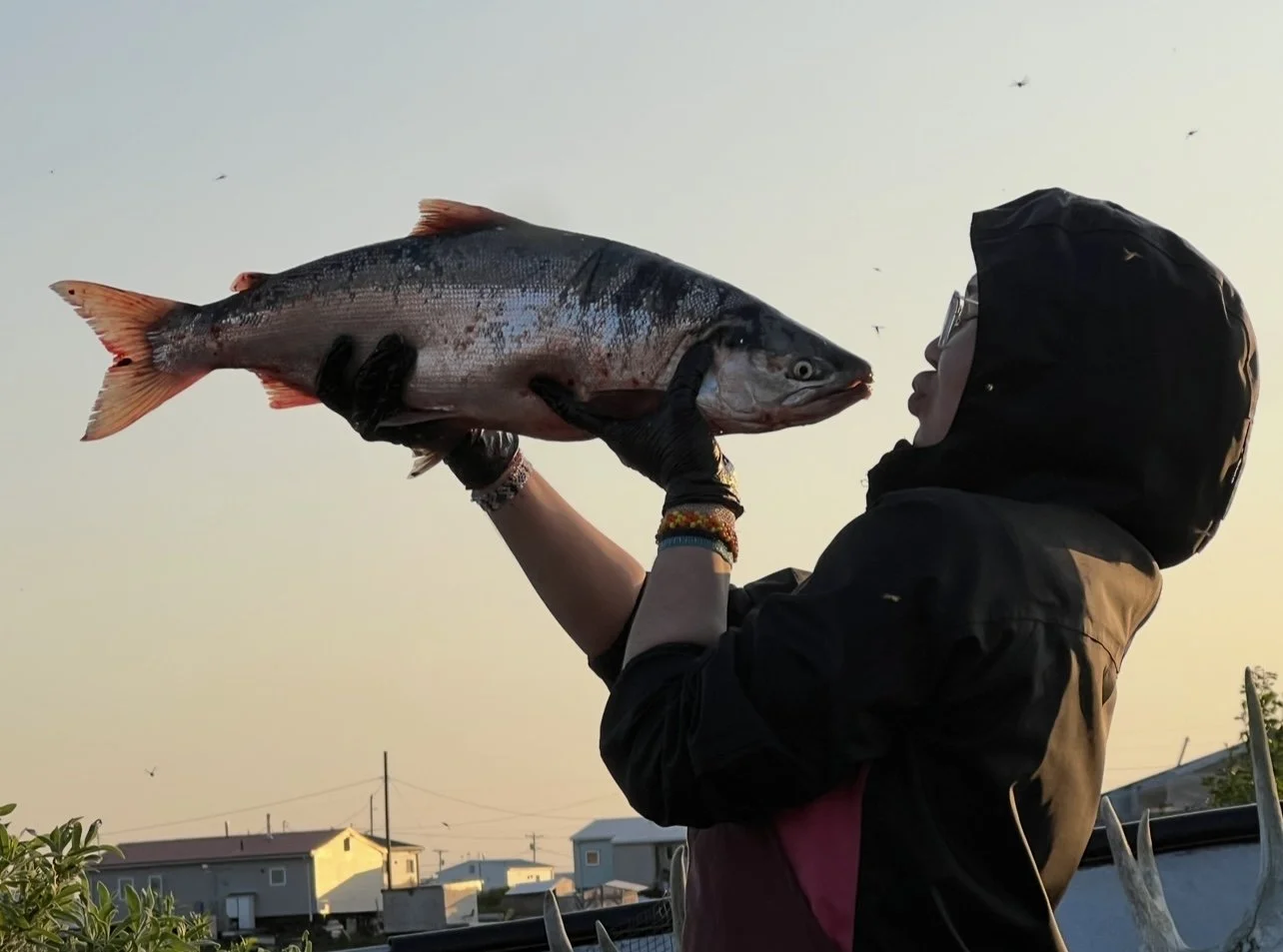
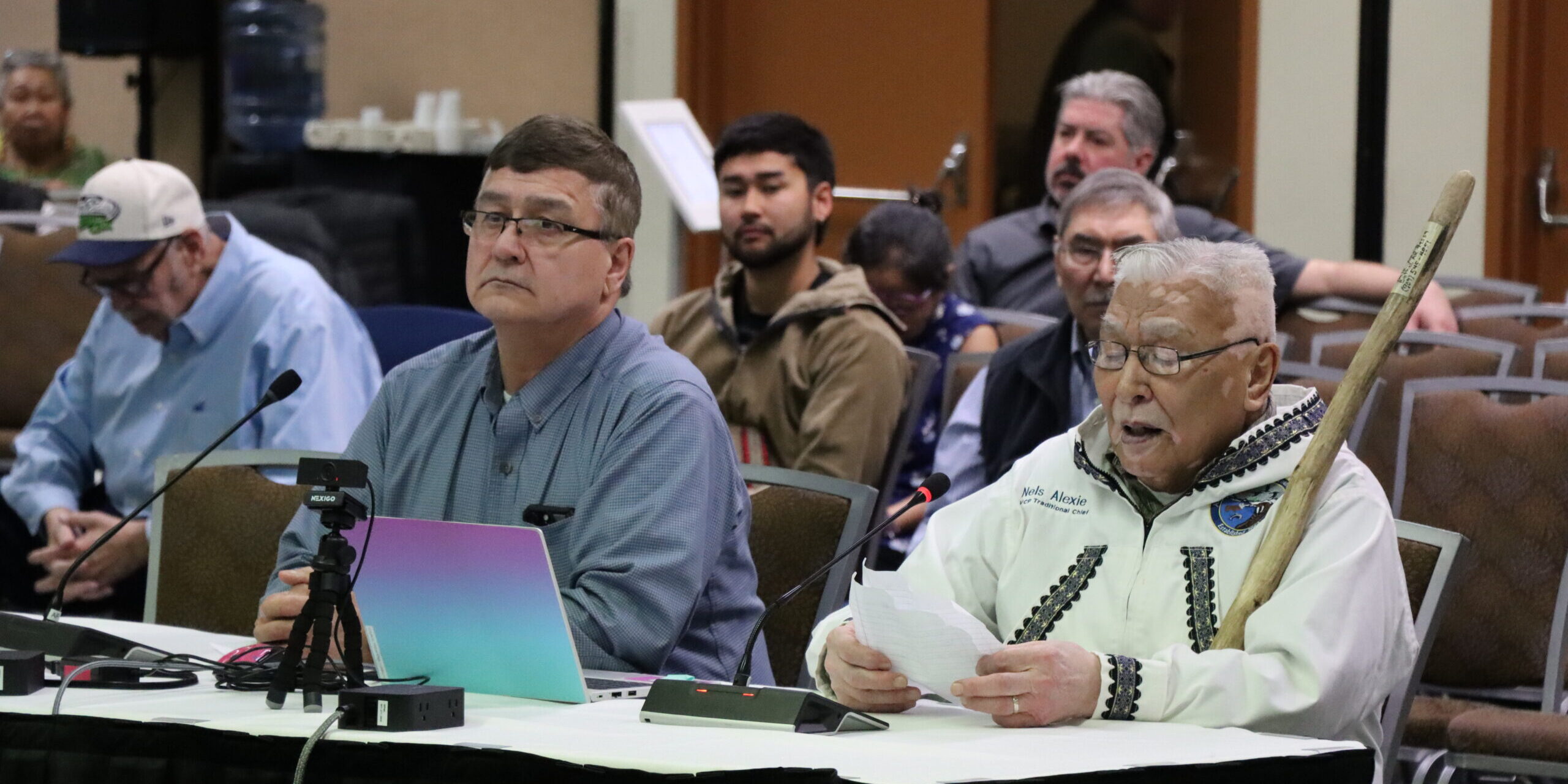
"It's a way of life. It's who we are. It's how we are physically here." Craig Chythlook, Fairbanks AK Our wealth isn’t measured by capital gains and profits. Our wealth trickles down from healthy rivers and salmon in our stomachs. We don’t exploit the resources gifted to us by nature;…
Legal Action
Court decisions and organized action in the Arctic-Yukon-Kuskokwim region.


Tradition & Science
Academic research and Native knowledge from the Arctic-Yukon-Kuskokwim region.