
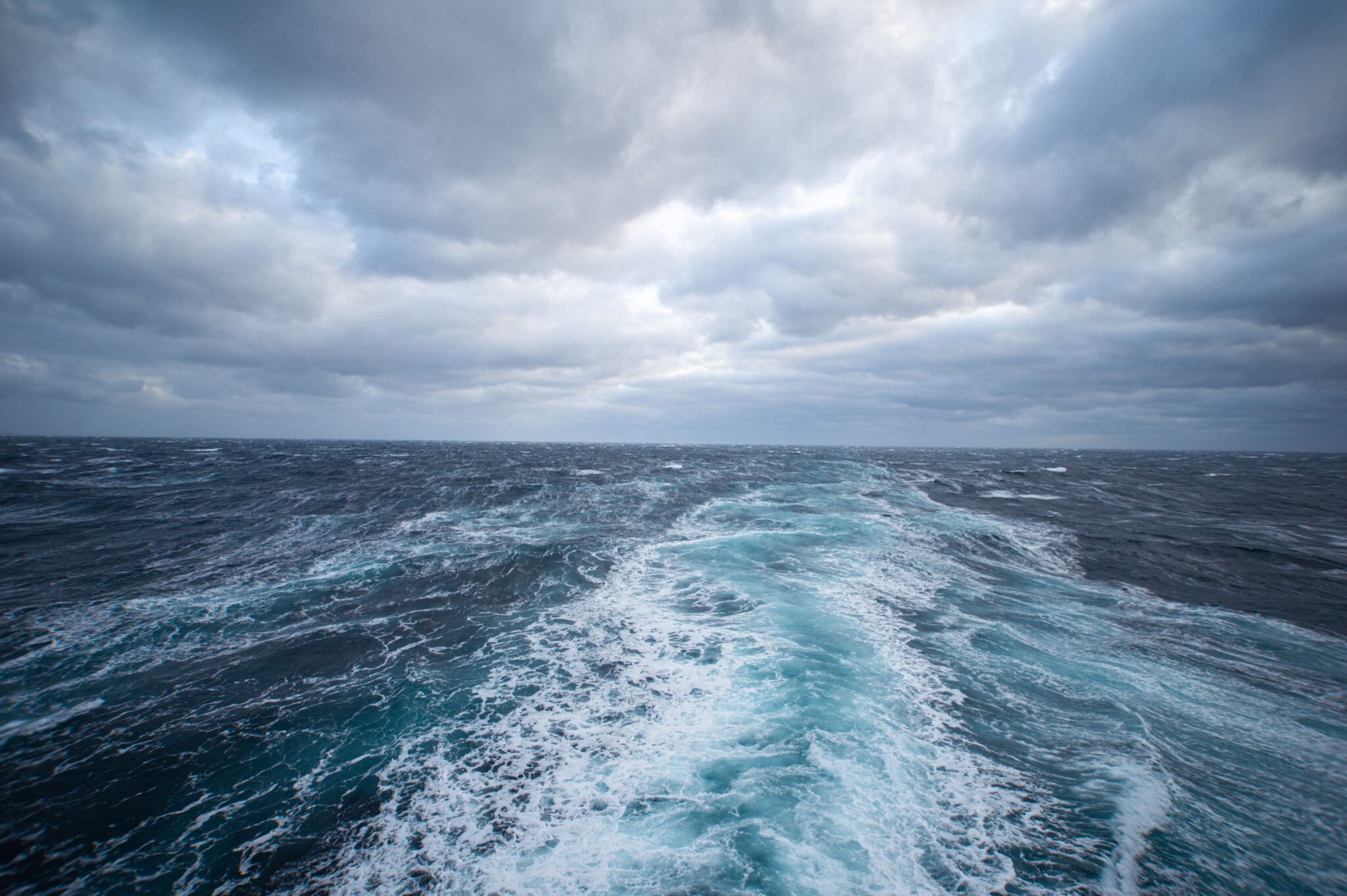
Marine Fisheries Around the Bering Sea
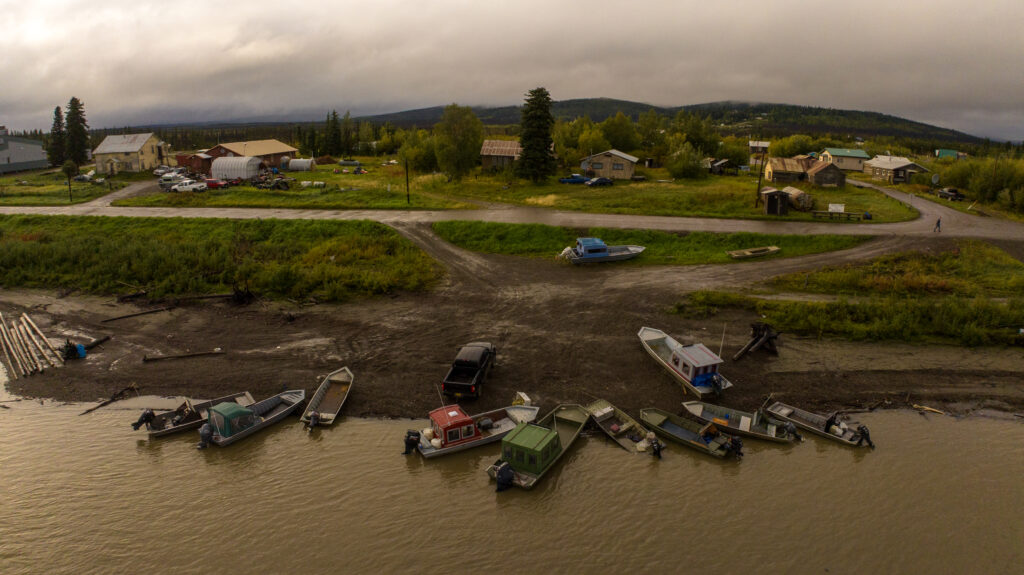
For a thousand generations, our people have responsibly managed the waters of the Bering Sea and the great rivers that feed it. Following the wisdom and guidance of our leading traditional scientists — our Elders — we have harvested fish, game, and plants as stewards: with respect, reciprocity, and relationality. Alaska Native management kept our ecosystems in balance, even when species went through cyclical declines, because our ancestors took only what was needed and left no waste.
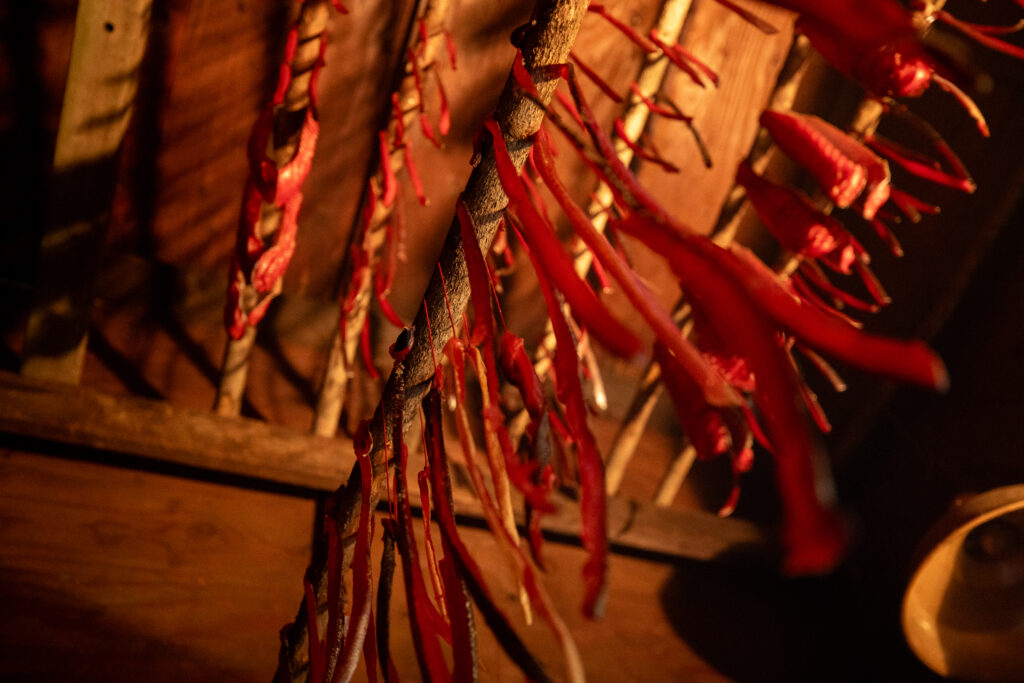
Although our people have depended on and stewarded these ecosystems longer than anyone else, our Indigenous Knowledge has been marginalized in the decades since colonization, forcing Alaska Native communities to compete for meaningful roles in the institutions that govern our foods and ways of life.
The direct role of Western governance in the collapse of the salmon returns across Interior and Western Alaska has been discussed in teachings and stories since the change in fisheries management took place, before statehood. Principles of unity, collaboration, and taking only what is needed have always sustained our reciprocity and relationality with place, as well as our fisheries. It is beyond time that the State of Alaska recognizes the harmful impacts of “maximizing sustained yields” only for profit, that the State uplifts Native values for fisheries stewardship, and that the State takes accountability for the ecological impacts of Western governance.
The history of Alaskan fisheries management has shown time and time again that the pipeline of our resources out of state is not new. Mismanagement of fisheries by outside entities leading to widespread declines eventually became one of the driving forces behind Alaska statehood in 1959, when the Alaska Constitution promised that fish and wildlife would be managed with a “sustained yield” for the long-term benefit of all Alaskans.
Has the State lived up to this aspiration? The teetering declines of Western and Interior Alaska salmon — especially on the Yukon — tell us no.
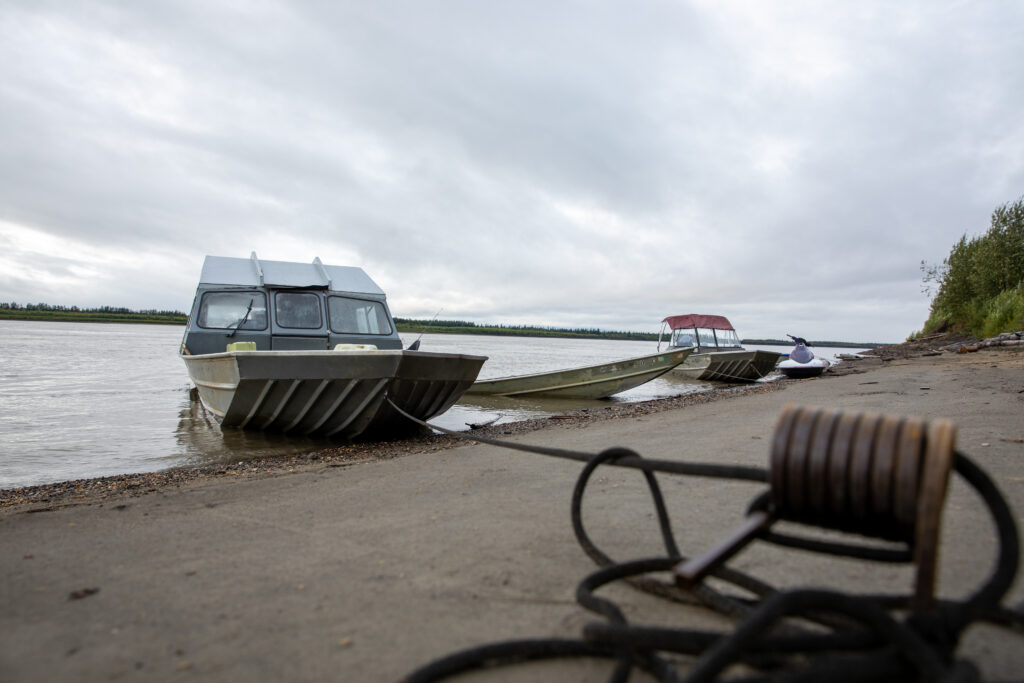
Today, the fundamental principles of sustainability and Indigenous stewardship are tossed overboard into the wake of commercial trawling vessels, whose economic business is endorsed by the State of Alaska and federal National Marine Fisheries Service.
Industrial trawl fisheries generate significant economic value, but many of the true costs of unrestricted extraction are assumed by Native communities and the ecosystems that have nurtured us since time immemorial. Salmon, halibut, crab, and other seafloor species are negatively affected by incomprehensibly high levels of bycatch and trawl nets scraping the seafloor. Irreversible habitat disturbance is magnified by the North Pacific Fishery Management Council’s management — endorsed by the State through its voting appointees — that frequently prioritizes short-term production over long-term ecological resilience. Most of the profit from trawler extraction and at-sea processing leaves Alaska for Seattle or overseas. The fish taken from our oceans that never touch Alaskan shore generate no revenue for the State, who in turn supports this process loss.
Policies to significantly lower bycatch, accurately monitor trawlers’ impacts to marine habitat, and rebalance the ocean ecosystem could decrease devastation to salmon and Salmon People without completely taking the wind out of the fishing industry’s sails. However, when our Tribal communities raise alarm and suggest actionable and meaningful solutions, federal and state regulators close their ears in deference to the trawl industry. We are told that these actions are not “practicable” — that there cannot be zero bycatch, that there cannot be trawl nets off the seafloor, that there cannot be less commercial harvest of fish, that business must continue as usual.
But is this trawl business usual, or rather, unusual and unsustainable?
Appointments to key fisheries management bodies have historically favored commercial fishing interests, while Alaska Native representation remains limited. Our people should have a permanent and meaningful role in managing Alaska’s fisheries. But instead, fisheries management bodies continue to allow the fox into the henhouse when they defer to industry-flooded management bodies and industry-led self-management plans, or when they stuff seats with trawl and seafood processor representatives to sway votes. The State and NMFS are wasting time and resources as they actively fight Native subsistence practices and appeal against decisions that promote our Native sovereignty and food security.
To sustain our oceans, rivers, and communities, Alaska’s fisheries management must recognize and include our Indigenous Knowledge and values when making decisions that affect the Native people from the coasts to the Interior. Legislation could be passed that requires multiple Tribally grounded Alaska Native voting seats on the North Pacific Fishery Management Council and the Alaska Board of Fisheries, the bodies responsible for managing marine resources for all Alaskans. The governor could instead appoint Alaska Native representatives invested in and knowledgeable about subsistence fisheries to these bodies. These actions would ensure our Indigenous Knowledge and communities are included in decision-making, as opposed to being systematically and intentionally silenced.
We cannot merely wait to be invited to a seat at that table; instead, managers must recognize how our Tribes can contribute to more equitable decision-making. The responsibility starts with our decision-makers, with Alaskans, and with those who care about and are concerned with the state of our fish, our people, and the balance of our governance.
The future of Alaska’s fisheries management does not depend on discovering new solutions. It depends on acting on the solutions with 10,000-plus years of demonstrated success, grounded in unity, collaboration, and multiple ways of knowing. Alaska Native communities have long understood that a strong ecosystem and strong Native traditions are one and the same. Sustainable fisheries can only be achieved when those who have cared for these waters the longest are empowered to help lead.
Stated simply: Where our Tribes lead, our fisheries thrive.
Let us lead. Let our fisheries thrive.

