
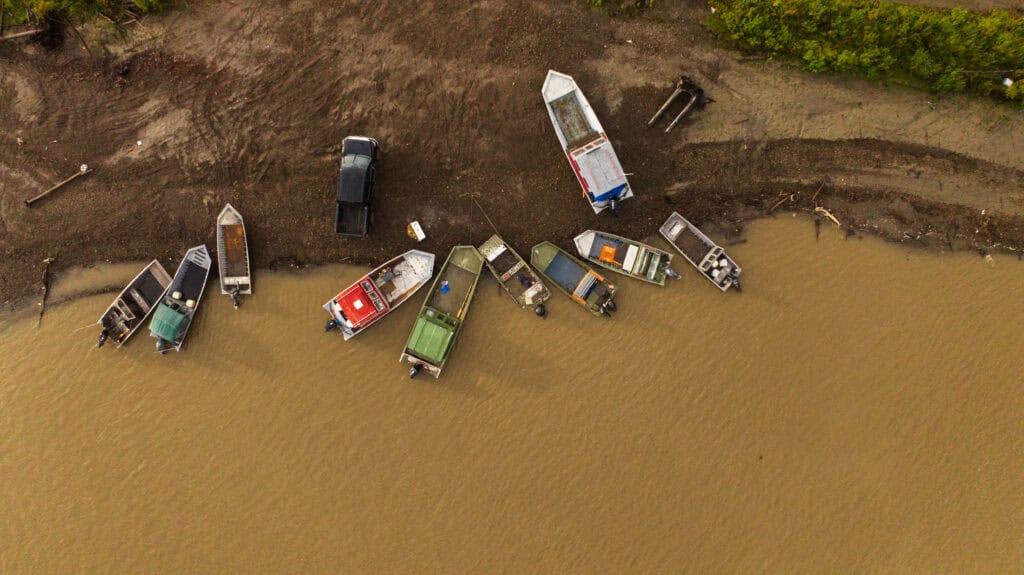
“I was born in the fish camp. I miss it.”
Luana Sommers, Nulato AK
Where are the fish?
For generations there have been fish in the rivers, consistent and predictable, year after year. The steady stream of returns were counted on for our people to not only survive, but to thrive.
Fish camps sprouted along the riverbanks like fireweed. The river weaved through tribes and territories as a superhighway of superfoods. The access to excess brought peace from the west to the east. Abundance allowed life to be steady as the river’s flow.
Bustling summer fish camps allowed for snug winters: time to share stories and to connect with one another. Year after year of comfortable consistency spawned traditions and practices that passed down from one generation to the next, traditions became older than history.
This was how it had always been — until recent memory. There have been times when returns were small and our people had to endure for a winter or two. We are resilient, but this is different.
For decades, we have watched the fish runs dry up. We have been told that we must tighten our belts, that we must pause our traditions and ways of life for the sake of the salmon, but our way of life is not what endangers entire salmon populations.
This isn’t just food for us, these are our identities they are asking us to pause. We plead for our food in community halls and are met with shoulder shrugs and feigned ignorance of the problems downriver. Commercial trawler bycatch remains unchecked for decades, while they cap how much fish we can catch.
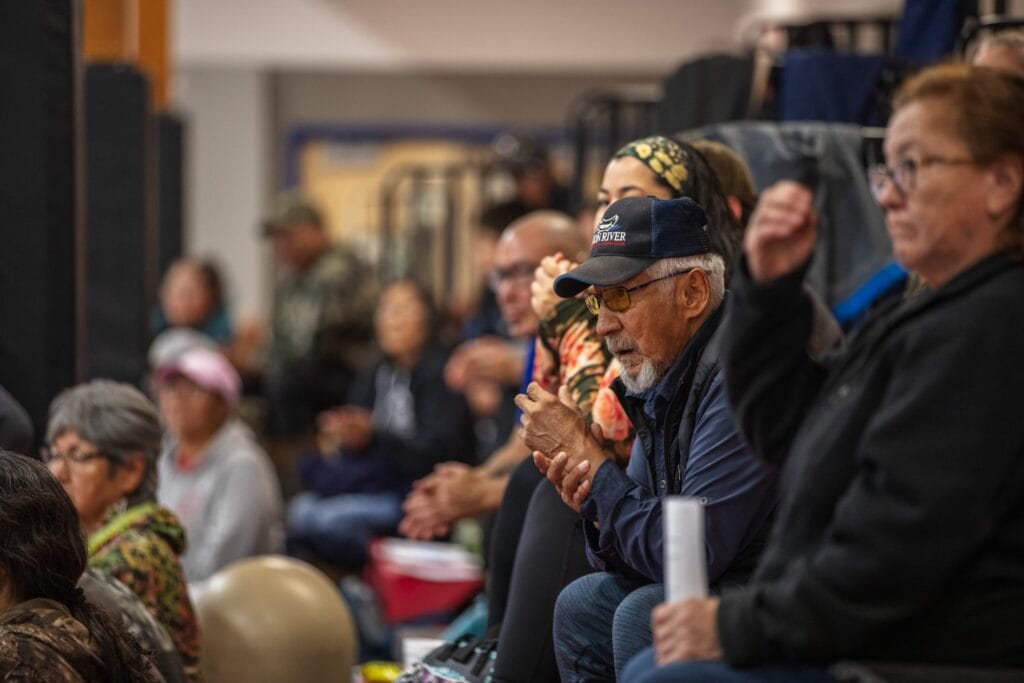
We are not the problem, we are the victim of a parasite. Just like any parasite, it will drain its host of life and then retreat until it finds another host to feed on. Regulatory agencies must address the cause, not the symptom, if they truly seek a cure and solution.
When you ask us to pause our fishing, you are asking us to pause our traditions. Traditions as old as the rivers are at risk of walking away with the passing of our elders. Fish camps will collapse as fast as the fish stocks, and traditions will be lost in time. We aren’t numbers on a spreadsheet to be manipulated and erased. We are grandparents and parents, desperate to feed our family’s bellies and minds with the fish from our rivers.
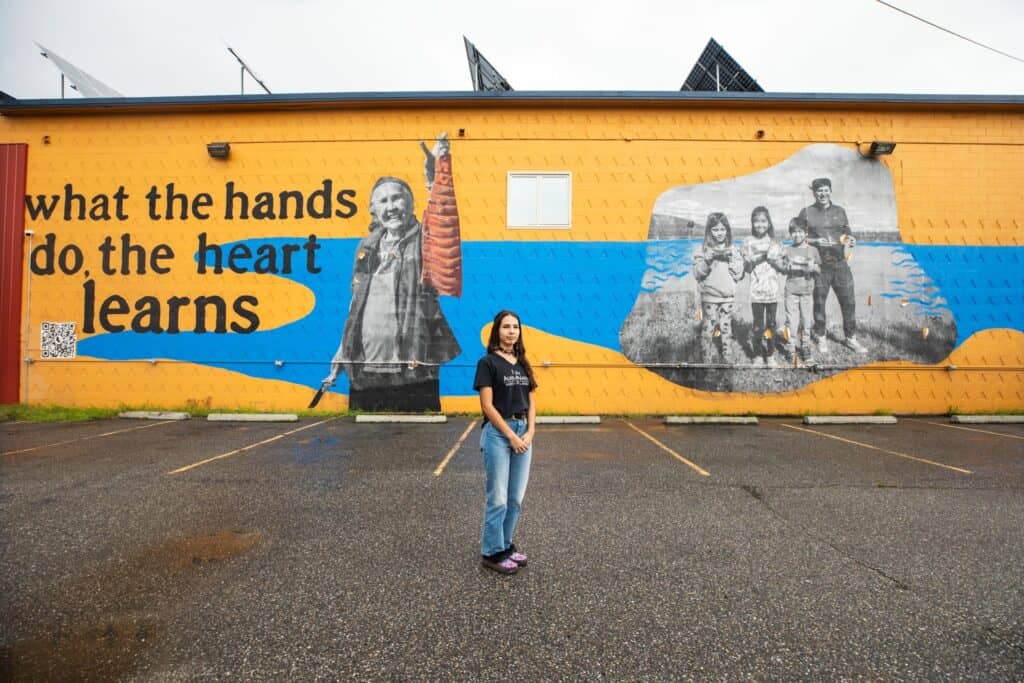
“It hurts me … the children, I feel sorry for them. I feel bad for them that they couldn’t go out and just get the fish, because I know they would want to get it for … their grandparents. It’s starting to get harder, and more rules start to come down from the State, that we couldn’t do this, and we couldn’t do that.”
Jenny Pelkota, Galena AK
In August of 2025, communities along the Yukon and Kuskokwim rivers welcomed in a documentary team to expose Interior Alaska’s food security crisis. These stories come from those who are affected most.