“What’s so bad about trawling, anyway?”
“Doesn’t the trawl economy benefit Alaskans?”
“Isn’t trawling managed sustainably?”
When we are asked these questions, so many harms come to mind.
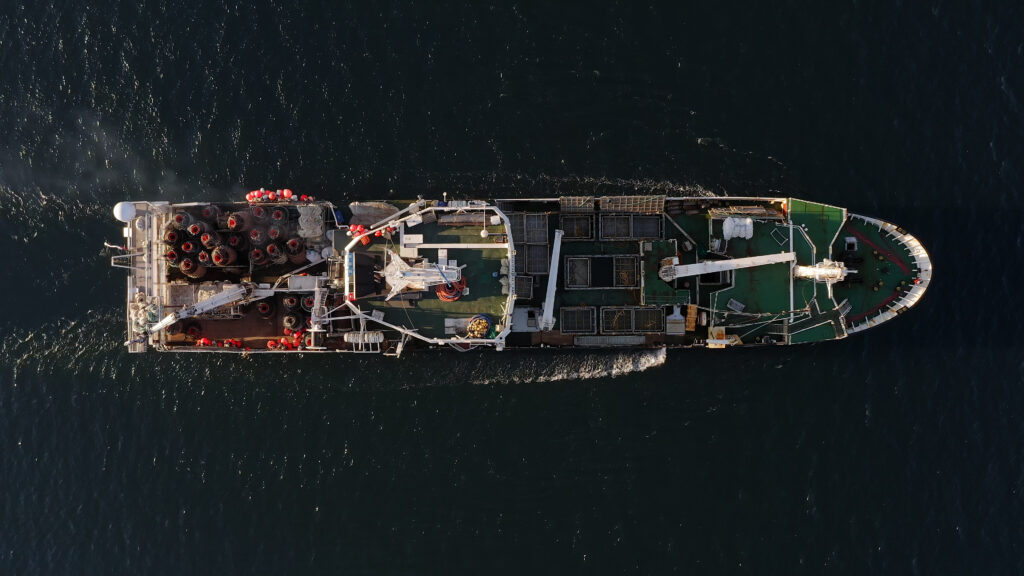
We think of vessels the length of football fields dragging nets wider and longer than 737 jets — large enough to swallow entire schools of fish and the occasional orca. In other words, these vessels intentionally remove tons of marine biomass in single fell swoops.
We think of bycatch, a term for the unintended but harmful capture and waste of non-target species. These are fish such as salmon destined for the Yukon or Kuskokwim which, when turned into bycatch, disappear before they ever smell the river of their birth.
We think of how sectors of the trawl fishery use their enormous nets to catch fish in unfathomable quantities, taking multiple tons of fish in a single haul, and even millions of pounds out of the ocean in the course of a week. When coupled with impacts from climate change, like marine heat waves, the magnitude of the loss of marine biomass and biodiversity from industrial trawling is astonishing.
Trawling is not to be confused with small commercial fishing methods like trolling, done by people who live and work in Alaska on family-owned boats. Many of these fishermen work alongside their children and grandchildren, hoping to pass their knowledge and permits on to their next generation. When Yukon and Kuskokwim salmon were abundant, these were the “mom and pop” commercial fisheries we joined in, too.
“We’re giving up our fishing so that they can catch fish, because we’re not allowed to catch fish anymore. The trawlers are doing pretty darn well on the coast, talking about record harvests every year.”
Trawling, on the other hand, is designed for volume and profit over sustainability and shared economies. A trawl net moves through the water and catches more than its targeted species by scooping up everything in its wake. It catches mature and juvenile salmon, halibut, and marine mammals by the tens of thousands of pounds, and can decimate sea floor habitats, food webs, and creatures like coral that could take decades to recover.
To those who manage trawl fisheries, this ecosystem destruction is just the cost of doing business.
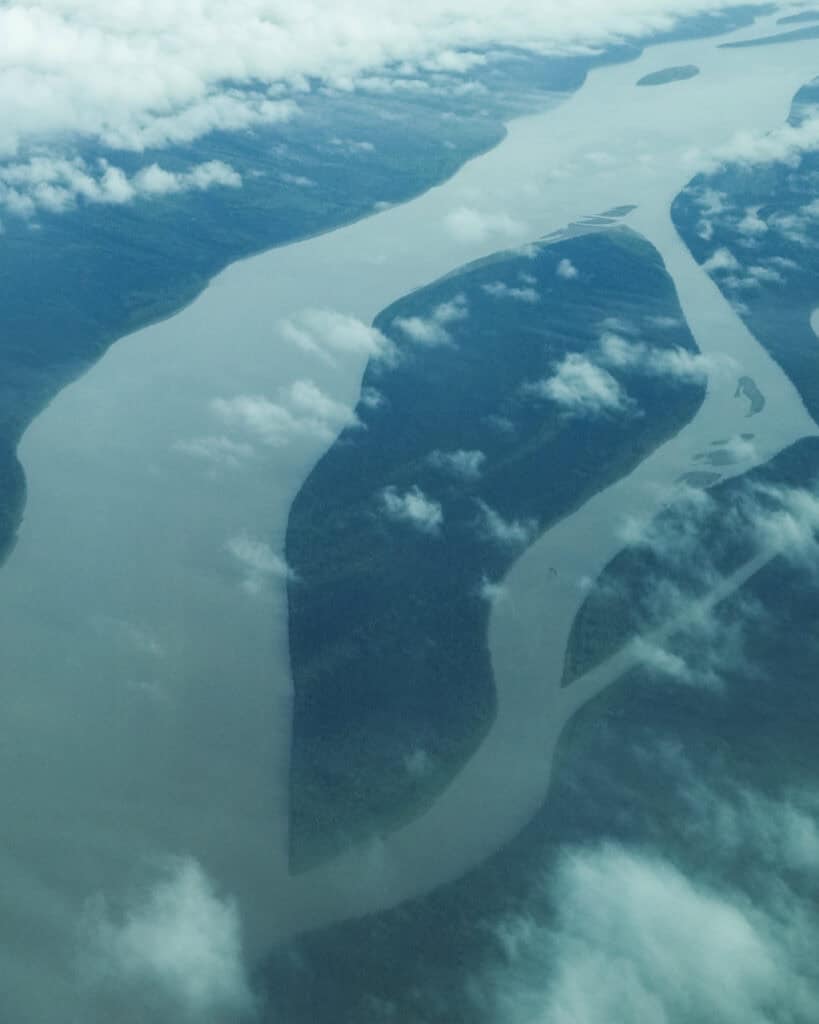
For tens of thousands of years, salmon have connected the ocean to Western and Interior Alaska. Their bodies carry nutrients hundreds of miles inland, feeding rivers, forests, wildlife and people. Healthy salmon returns are directly correlated with healthy salmon-dependent communities.
A salmon caught as bycatch never reaches its potential or returns to the Yukon or the Kuskokwim. It never contributes to the marine food web, never lays its eggs in the gravel beds, never feeds a bear that leaves its nitrogen-rich carcass along the willows of a riverbank, and it never reaches a family waiting at fish camp, yearning for a fresh taste of fish.
“It’s affecting the whole ecosystem, not only the Bering Sea, but all the way in-river, into those tributaries and spawning grounds. The trawlers that are wiping out the bottom of the ocean with the dragging, it just doesn’t work. It can’t sustain.”
Every salmon removed from the ocean as bycatch is one less salmon returning home, and each year, tens of thousands of salmon are lost as bycatch, wasted by trawling.
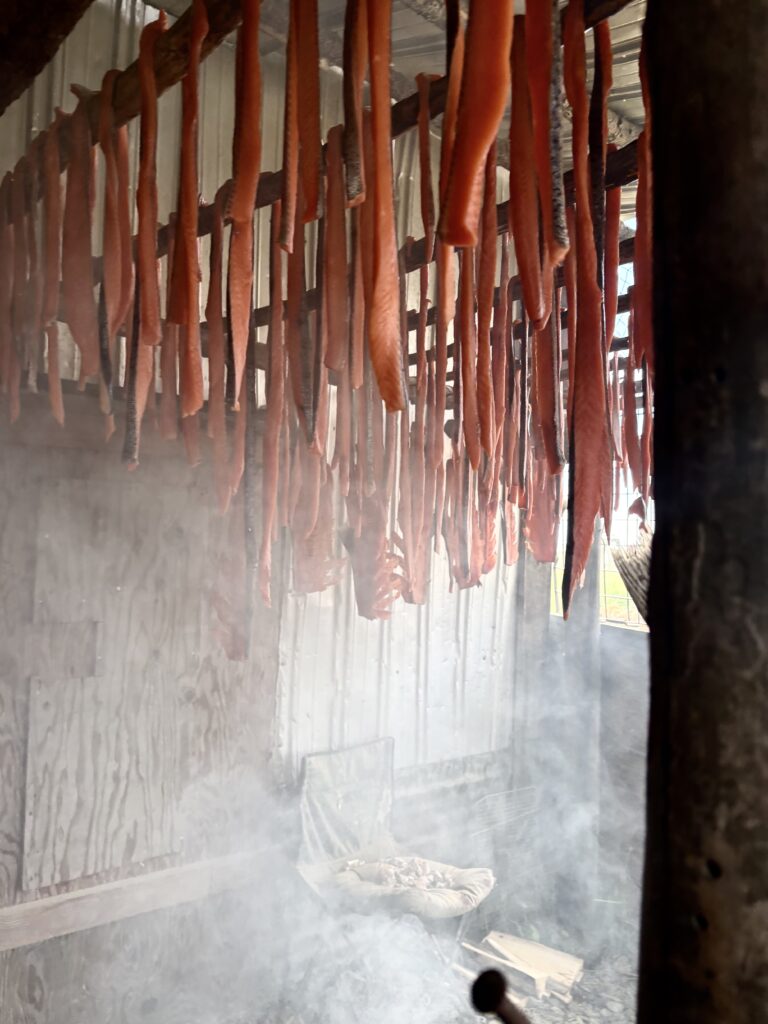
Families along the Yukon and Kuskokwim have endured years of unequal fishing restrictions and closures to protect struggling salmon runs, while trawl fisheries continue operating at their usual pace. Smokehouses have sat empty. Our young ones have lost opportunities to learn the traditions that make them who they are: Salmon People.Communities along the river are asked to tighten their belts as corporate trawlers sail back down south with fish blood money made from our resources.
The State of Alaska and NOAA Fisheries have prioritized the bottom line of billion-dollar trawling corporations over the health of the bottom of our oceans and the countless Alaskans who depend on healthy salmon returns. Our Alaska Native families who are born to harvest, cut, share, and steward fish through subsistence conducted in our homelands are now having to buy salmon from far away to try to put traditional food on our tables.
“They’re making millions of dollars fishing — and we’re buying fish.”
A cycle that sustained Alaska for generations is being stripped away in front of our eyes. If we want healthy rivers, healthy ecosystems, and a healthy fishing industry, we must ensure that our precious salmon’s journey home isn’t over before it even starts.
“It’s not hard to see the writing on the wall. It’s time to stop fighting against each other, otherwise we’re going to have nothing to fight over pretty soon. The fish don’t have much time.”