“It’s a way of life. It’s who we are. It’s how we are physically here.”
Craig Chythlook, Fairbanks AK
Our wealth isn’t measured by capital gains and profits. Our wealth trickles down from healthy rivers and salmon in our stomachs. We don’t exploit the resources gifted to us by nature; we work in harmony with them.
In a world of abundance, there is no value in profit. These Western ideas were thrust upon us. For a hundred years, we were told that our way of life didn’t hold economic value. For centuries, we have resisted these concepts. Our way worked before money existed.
However, like the rivers we rely on, we have had to shift and adapt to keep flowing. We know these rivers, and we know these fish. There is no difference between the health of the salmon population and the wealth of our people. The salmon were once bountiful, and we were once the richest people in the world.
In the Bering Sea, trawling vessels gorge themselves on everything for the sake of profit, robbing our people of our riches. We hear hollow apologies from government agencies, hiding behind policies of their own creation. How are you able to ignore our cries for help when you claim your hands are tied behind your back?
We have been forced to buy the same kind of fish that swims by our homes. We know we need every single salmon. Government agencies watch our every move to make sure we obey their laws, but we have managed these waters since time immemorial, and we tell stories of walking across the backs of salmon in the streams.
Where were their watchful eyes when trawling bycatch climbed to unimaginable heights? Thousands of pounds of fish get wasted, and our fish camps go unused while we are forced to buy meat from one thousand miles away. Our pantries now have cans of tuna where precious jars of salmon once lined the shelves like the vault of a bank. Eating handfuls of essential Vitamin D and B caplets that are easily found in our salmon we cannot catch.
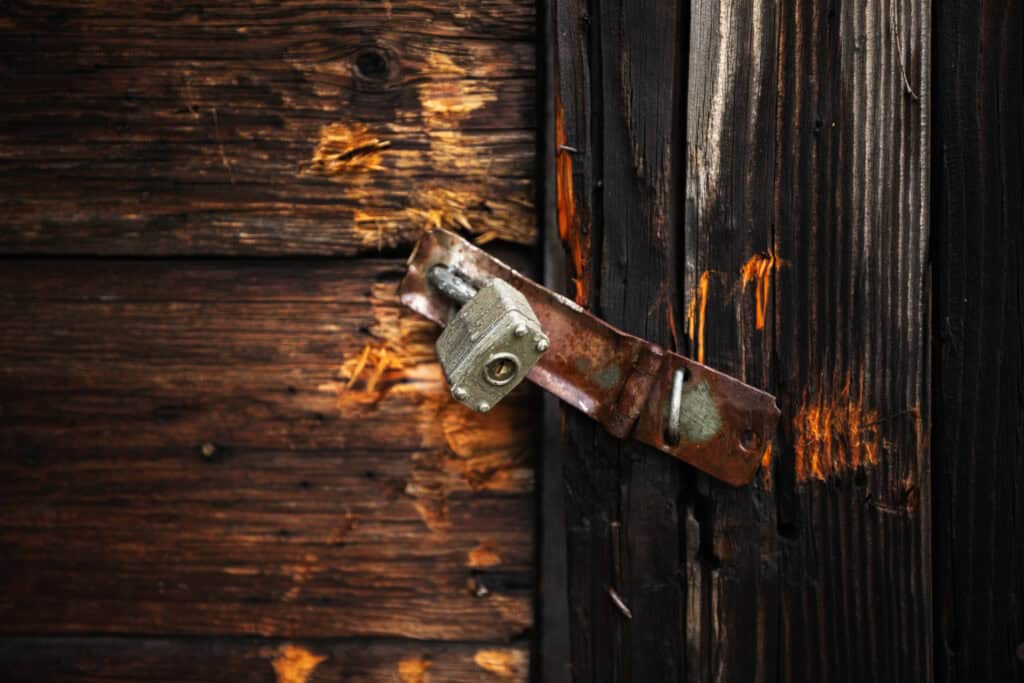
The health of our people depends on the health of our salmon. We know their value, so when we were asked to slow down our harvest, we had no choice but to oblige. This hiatus has gone on for decades, and numbers continue to drop due to overfishing from greedy trawling boats in the Bering Sea. They have stolen our salmon from us, and it is time they paid for their wrongdoings.
“2005 was the last year I stayed in summer camp, fish camp, I call it. Get all our fish for the family, move home. Now we can’t even fish. I’m upset about it! I lived off it all my life, but we’re going to fight it.”
Lawerence Esmailka, Nulato AK
In August of 2025, communities along the Yukon and Kuskokwim rivers welcomed in a documentary team to expose Interior Alaska’s food security crisis. These stories come from those who are affected most.