“We used to say, ‘Every fish counts.’ Now, we’re down to saying, ‘Every egg counts.’”
Charlie Green – Galena, AK
For millennia, our rivers had fine-tuned a delicate ecosystem to create a cycle of life that was supposed to last forever. Spawned salmon nourished the riverbeds or were carried off by animals, fertilizing the soil to feed the willows, which in turn stabilized the riverbanks and slowed their flow, easing the salmon’s final journey while protecting the young to come.
When Native people entered this ecosystem, we recognized this delicate balance and worked with it, honing our fishing methods to be inherited by our children in a sustainable cycle of learning. Taking only what was needed to ensure the returning generations of salmon and people. The salmon nourish our bodies, and we become part of them. Native people know that salmon health is directly correlated with the health of our people.
What happens when this cycle is broken?
“What makes me really scared going forward is that, when we lose salmon … and these relationships to the land … when those are gone, so will the lessons … we’ve learned everything from them.”
McKenzie Englishoe – Fairbanks, AK
Trawling at sea and commercial overfishing have starved the Interior of Alaska. Salmon are caught and discarded before they return home to the Yukon and Kuskokwim. In the meantime, upriver, empty nets lead to food scarcity as salmon returns become uncommon.
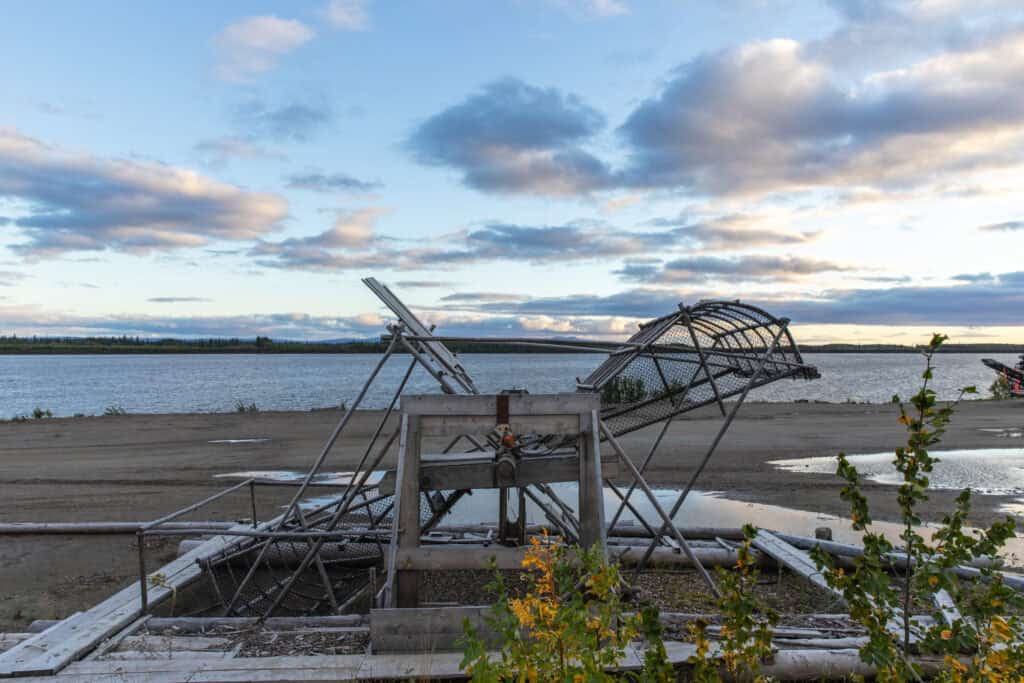
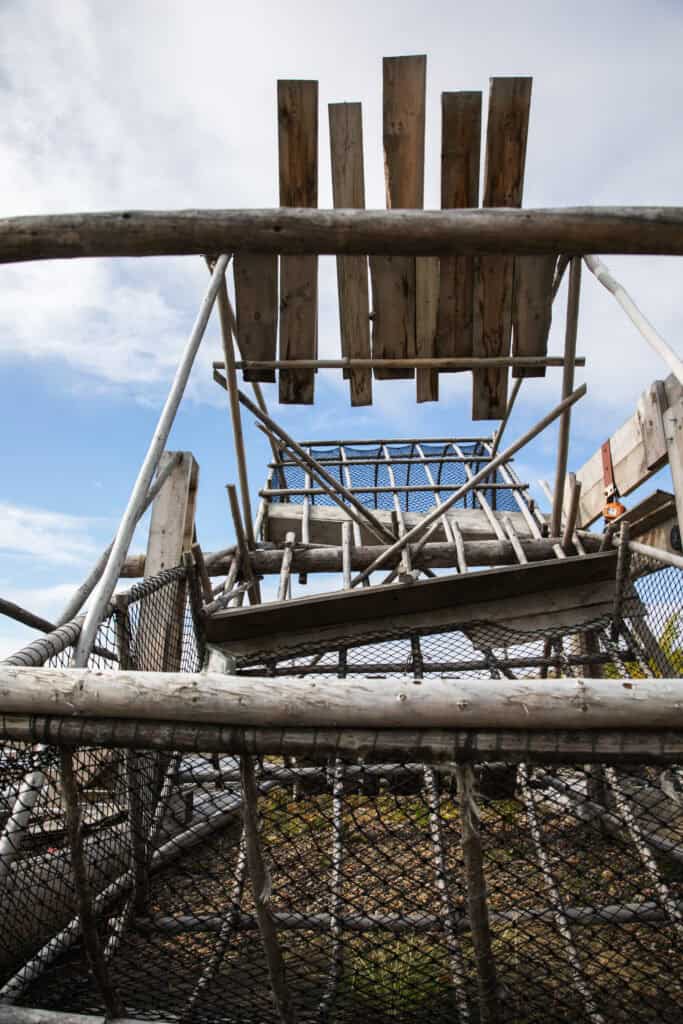
The fishing that feeds our communities has been put on hold for half a decade now by outside interests. Native people have been asked to halt our harvesting in the name of future generations of salmon, sacrificing tradition and well-being so that our children can someday taste what was once feasted on. Meanwhile, giant fish conglomerates are gorging on pollock profits. Starving people fight with government agencies for crumbs while the loaf is being tossed out.
Why aren’t they asked to pause their profits while salmon numbers rebound?
Unchecked trawling practices and an accelerating environmental crisis have disrupted a cycle predating time. As protectors of the river and land, frustration builds as Native people watch our livelihood fade. Desperately grasping onto each salmon, onto each egg, for the future of our people and the future of the salmon, because we believe they are one and the same. Salmon have shaped the landscape and enrichment of this land. Native peoples have been the guardians of the land, the rivers and the animals for thousands of years. We have watched these waterways for countless generations.
We are telling the world that the rivers are sick. The cycle is broken. It’s time to listen.
“The number one question I would ask is … are we ever going to fish again?”
Tyler Huntington – Nulato, AK
In August of 2025, communities along the Yukon and Kuskokwim rivers welcomed in a documentary team to expose Interior Alaska’s food security crisis. These stories come from those who are affected most.